

If you’ve ever asked yourself, is artificial turf worth it?, you’re not alone. As water bills climb and maintenance demands rise, more homeowners are considering synthetic grass as a long-term landscaping solution. In this complete guide, we’ll explore how artificial turf works, its pros and cons, drainage concerns, environmental impact, and how to choose the best turf for your space.
What Is Artificial Turf and How Does It Work?
Quick Overview of Synthetic Grass
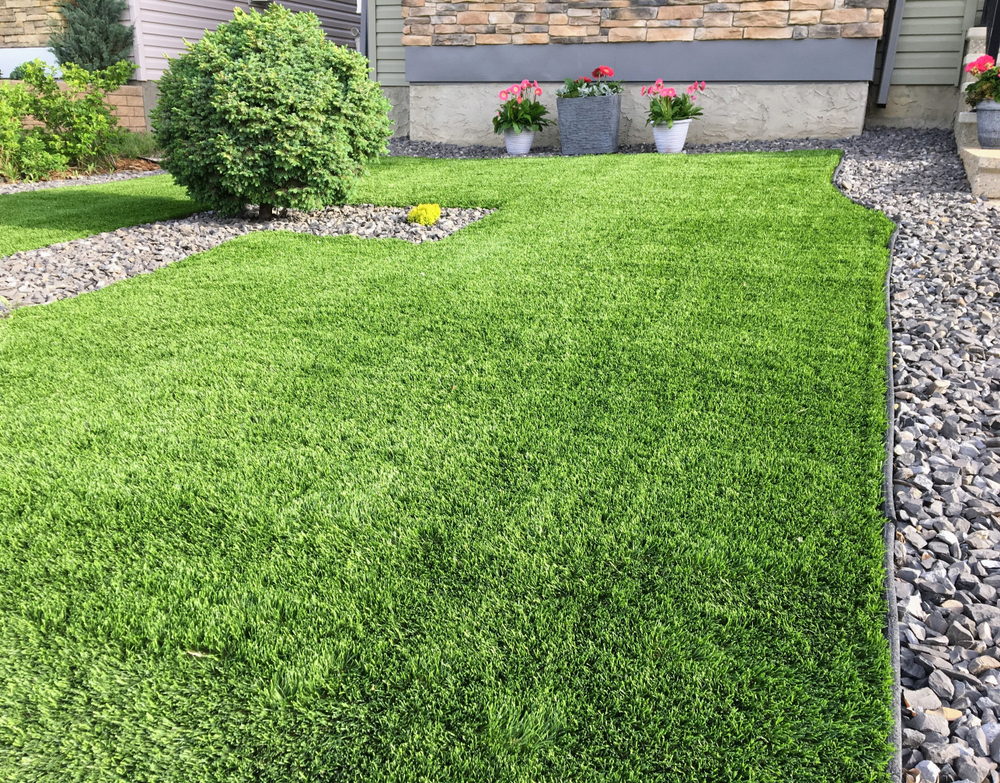
Artificial turf is a surface made from synthetic fibers designed to mimic the appearance and texture of natural grass. Modern turf products are far more realistic than earlier versions, often featuring multiple blade shapes, colors, and backing systems that provide a natural look and feel.
Where It’s Commonly Used: Lawns, Playgrounds, Sports Fields, More
Today’s artificial turf isn’t limited to sports stadiums. It’s found in residential yards, dog parks, playgrounds, rooftop patios, putting greens, and commercial properties. Homeowners use it to avoid lawn care, reduce water usage, and maintain a neat landscape year-round.
Types of Artificial Turf (Nylon, Polyethylene, Polypropylene)
Artificial turf comes in three primary fiber types:
- Nylon: Durable and stiff, ideal for high-traffic areas.
- Polyethylene: Soft, lifelike texture; commonly used for residential yards and sports.
- Polypropylene: Least expensive but less durable; best for decorative or low-traffic zones.
Pros and Cons: Is Artificial Turf Worth It in the Long Run?
Benefits of Artificial Turf
Artificial turf offers several advantages:
- Low maintenance: No mowing, watering, or fertilizing
- Water savings: Reduces outdoor water use significantly
- Year-round greenery: Maintains a vibrant appearance through all seasons
- Safe for kids and pets: Many turf types are non-toxic and hypoallergenic
These benefits often make homeowners conclude that yes, artificial turf is worth it, especially in regions with drought restrictions or frequent lawn damage.
Drawbacks of Artificial Turf
While artificial turf is practical, it’s not perfect:
- Initial cost: Installation can be expensive upfront
- Heat retention: Turf surfaces can become very hot in direct sun
- Surface hardness: May feel less cushioned than natural grass
- Environmental concerns: Some turf contains plastic and rubber materials that may not be recyclable
Cost Comparison: Artificial Turf vs. Natural Grass Over 5 Years
Although the upfront installation of synthetic turf averages $8–$12 per square foot, natural grass requires ongoing expenses like water, fertilizer, and lawn care services. Over five years, homeowners may spend:
- Natural grass: $4,000–$6,000 in upkeep
- Artificial turf: $5,000–$7,000 for installation with minimal ongoing cost
Long term, the savings and low maintenance often justify the initial investment.
Does Artificial Turf Drain Well?
How Turf Drainage Systems Work
Wondering, does artificial turf drain well? Most modern turf systems are designed with perforated backings that allow water to pass through quickly. Beneath the turf, a compacted aggregate base promotes water flow and minimizes pooling.
Factors That Affect Drainage (Installation, Backing Material, Infill)
Effective drainage depends on:
- Proper base prep: A well-graded foundation prevents waterlogging.
- Perforated vs. non-perforated backing: Always choose drainage-optimized turf.
- Infill choice: Silica sand or zeolite help water flow better than crumb rubber.
Tips to Ensure Proper Drainage
- Install a drainage layer beneath the turf
- Use infill materials that won’t clog or retain moisture
- Ensure correct slope for runoff
When Drainage Issues Might Occur
Problems may arise if the turf is installed over clay soil or if there’s no grading. Poor drainage can lead to mold, odor, and even turf lifting.
What Is the Best Artificial Turf for Your Needs?
Choosing Turf by Application: Residential, Pet-Friendly, Sports, Landscaping
If you’re wondering what is the best artificial turf for your home, consider the intended use:
- Residential lawns: Choose soft polyethylene with a mix of blade shapes
- Pets: Look for antimicrobial infill and odor-control turf
- Sports areas: Opt for nylon or hybrid blends that resist wear
- Landscaping: Use decorative turf with realistic color variations
Key Features to Look For
- Realistic appearance: Multiple tones and curled thatch fibers improve aesthetics
- UV resistance: Prevents color fading
- Drainage capacity: Look for 30+ inches/hour drainage rates
- Durability: Higher face weight equals more longevity
- Blade shape & pile height: W-shaped and S-shaped blades offer more springback and softness
Top-Rated Artificial Turf Brands
Some reputable names include:
- TigerTurf: Known for UV protection and durability
- ForeverLawn: Offers pet-friendly and eco-conscious options
- FieldTurf: Popular for commercial and athletic installations
How Long Does Artificial Turf Last?
Average Lifespan by Turf Type
On average, artificial turf lasts 8–15 years depending on use and material quality:
- Nylon turf: 12–15 years
- Polyethylene: 10–12 years
- Polypropylene: 8–10 years
Maintenance Tips to Extend Longevity
- Brush high-traffic areas weekly
- Remove debris and pet waste promptly
- Rinse with water monthly
- Replenish infill as needed
When to Consider Turf Replacement
Turf should be replaced if it shows:
- Severe matting
- Uneven wear or seam lifting
- UV damage or color fading
Is Artificial Turf Worth It for Different Use Cases?
Homeowners with Kids and Pets
Artificial turf is hypoallergenic and mud-free, making it ideal for play areas. Pet turf resists odor and provides safe cushioning.
Drought-Prone Areas
In regions with limited water access, turf is a smart, sustainable option. It reduces outdoor water usage by up to 70%.
Commercial & Public Spaces
Synthetic turf handles heavy foot traffic and requires minimal upkeep, making it ideal for schools, parks, and event venues.
Vacation Homes or Low-Traffic Yards
If you own a second property or don’t use your yard often, turf ensures it always looks manicured without the need for weekly care.
Environmental Impact of Artificial Turf
Water Savings vs. Microplastic Concerns
Artificial turf drastically reduces water consumption, which helps in drought-prone areas. However, concerns about microplastic runoff and turf infill spreading into the environment remain under review.
Recyclability and Eco-Friendly Turf Options
Some brands now offer recyclable turf backings and bio-based infill materials like coconut husk or cork, reducing environmental impact while maintaining performance.
Is Artificial Turf Worth It for You?
So—is artificial turf worth it? For many homeowners, the answer is a resounding yes. The low maintenance, year-round greenery, and long-term savings are hard to beat. However, weigh the upfront cost and environmental considerations carefully. Choose the right turf type for your specific needs, ensure proper installation for drainage, and enjoy a lawn that looks fresh every day of the year.
FAQs About Artificial Turf
Does artificial turf get hot in the sun?
Artificial turf can become quite warm under direct sunlight, especially during summer. However, lighter-colored turf, shaded areas, and cooling infills like silica sand can help reduce surface temperatures and improve comfort for pets and people.
Can weeds grow through turf?
Weeds may occasionally grow around the edges or through drainage holes if the turf isn’t properly installed. A high-quality weed barrier, proper infill, and compacted base layer significantly reduce the chance of unwanted growth beneath the turf.
Is artificial turf safe for pets and children?
High-quality artificial turf is non-toxic and lead-free, making it safe for kids and pets. Some turf options are specifically designed for pet use with antimicrobial properties and improved drainage to prevent bacteria buildup and odors.
How do you clean artificial turf?
Regular maintenance includes brushing, removing debris, and rinsing with water. For deeper cleaning, use a mild detergent or turf-safe cleaner. Pet areas may require additional odor control using enzymatic sprays or natural deodorizers like baking soda or vinegar.